“I’ll tell you everything from the beginning, Doc,” John started again, quietly staring at his hands. His voice was distant, carrying an uncertain tremor. “I don’t know why I keep coming back to you people. But there’s something in me, some unexplainable hope, that one day one of you might finally understand.”
Jeff nodded gently, his pen moving softly across paper, as John’s gaze drifted through the room, seeing somewhere far beyond the carefully arranged furniture.
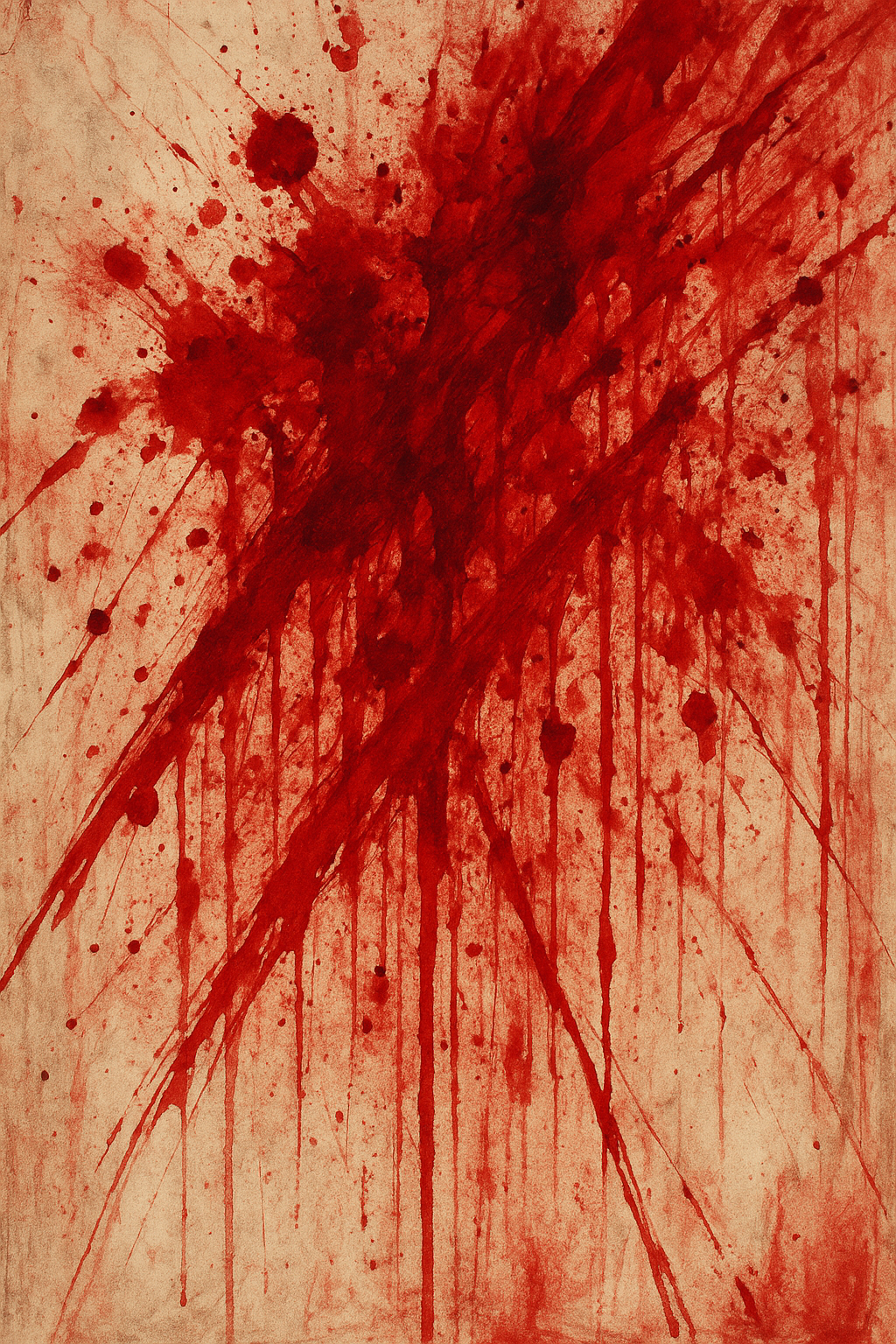
“A few weeks after I stopped taking the meds, I began seeing these visions—terrible things. All I could draw was blood, children’s bodies twisted and still, faces frozen in hideous smiles. Those faces haunted me.”
Jeff glanced up briefly, concern flickering behind his calm exterior, but he remained silent, allowing John’s truth to spill forth uninterrupted.
“At first, I thought nothing of it—just withdrawal symptoms, maybe. But I had no choice. The pills numbed me, stripped away my creativity. Sure, people bought my paintings, but they weren’t art—not really. Something was missing. And when I stopped taking those meds, I lost control. Painting after painting piled up in my apartment, each one more horrifying than the last. No gallery would touch them. They were cursed canvases, unwanted reminders of things I didn’t understand.”
John paused, swallowing hard. His breathing quickened slightly, memories closing in on him like predators hidden in darkness. “It was hell, Doc. Real hell. Something in me felt incomplete, like a vital piece had been torn away, leaving behind only emptiness. I needed to find that missing piece, to feel whole again.”
His voice grew tighter, lined with anxiety. “I kept seeing my therapist back then. When she saw the paintings, she grew worried—deeply worried. She asked if I was still taking my meds, and I lied to her. It was strange, Doc, but at that moment I felt sure she was hiding something from me. She increased the dosage and suggested a retreat from the stress of the city. And foolishly, I listened.”
John’s eyes narrowed, shadowed with suspicion. “I left the city for a while, and for a brief moment, I felt sane again. But peace is fragile, you know. Soon enough, the flashbacks came. Sudden and violent, triggered by simple things—a glance, a word, a familiar face. I remembered them vividly—the men in suits at the hospital, whispering quietly to the doctors. Conspiring, controlling.”
Jeff’s eyes narrowed slightly, almost imperceptibly. Yet he offered no interruption, absorbing every detail as John continued.
“I couldn’t understand it fully. The men in suits could’ve been anyone, right? But deep down, I knew they weren’t. They’d been trailing me since that day in the hospital. Watching, waiting. And the funny thing is, Doc, I couldn’t remember anything clearly before that incident. They told me I’d tried to take my own life after my girlfriend left. She was supposed to be the love of my life. But none of it lined up. My mind was fractured—memories jumbled and rearranged.”
He hesitated, confusion marking his expression as he struggled through the tangled web of memories. “And she was gone—vanished. I searched desperately, but it was as if she’d simply disappeared from existence altogether.”
John shifted in his chair, discomforted by something internal and unseen. “I couldn’t bear returning to that city. Instead, I went searching for answers elsewhere. But old friends, former colleagues—they were useless. Happy enough to see me alive, but distant, hollow. I remembered why I’d fled that place. It was a gray, lifeless government town—an industrial graveyard where people moved through their days like machines, emotionless drones serving some distant master. The place reeked of despair and compliance.”
He rubbed his temples gently, exhausted by the weight of the past pressing down on him. “Eventually, I went to visit my dad. He’d been in a long-term care facility since mom died. Dad thrived off her energy; her death shattered him. He threw himself into his work, buried himself in distraction. When I walked into his room, he was ecstatic, relieved to see me again. But I hadn’t told him about any of the trouble, Doc. I couldn’t burden him, not after what he’d been through.”
John paused, his voice softening, troubled by what came next. “Then, out of nowhere, he asked me how my son was doing. He mentioned he hadn’t seen him in years, and he missed him deeply.”
John’s face darkened with confusion, his eyes clouded and distant. “But I had no son—at least, that’s what I believed back then. At first, I thought he was making a sick joke, but the nurse quietly pulled me aside, explaining that he’d been developing memory problems over the last few years—some degenerative condition. Poor old guy, I thought. I felt sorry for him.”
John’s voice trailed off slowly, losing confidence, sinking into uneasy silence. Jeff shifted subtly, taking a measured breath before carefully asking, “And now, John? Do you still believe you had no son?”
John stared blankly at the floor, the room heavy with unspoken truths. He looked up, his gaze locked into Jeff’s with startling intensity.
“I don’t know, Doc. Honestly, I don’t know what the hell to believe anymore.”
 Beyond The Page